Devon Meier · 17 September 2026
Strategic Link Placement Patterns During Platform Transitions in Global Markets
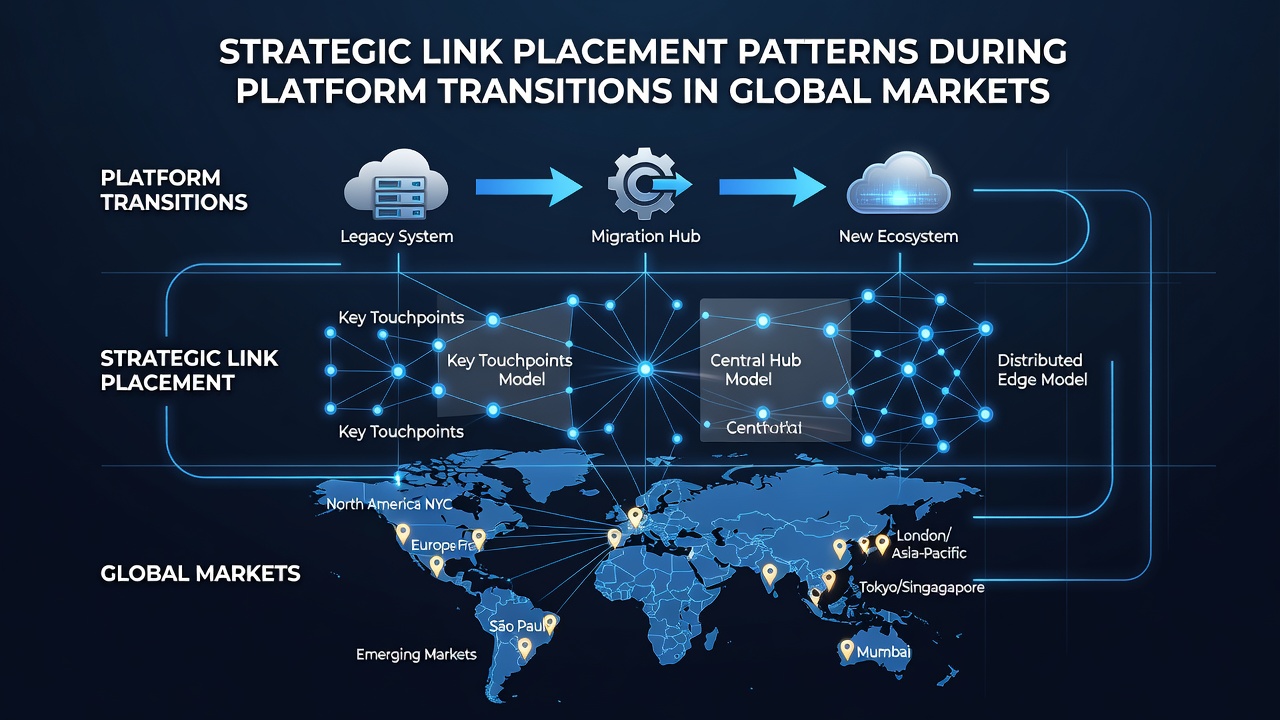
Platform transitions in global markets involve shifts from legacy systems to new digital infrastructures, and link placement strategies play a central role in maintaining visibility during these changes. Companies relocating operations across regions adjust internal linking structures, external backlink profiles, and anchor text distributions to align with evolving search algorithms and regional regulations. Data from multiple industry analyses shows that firms coordinating link placements with migration timelines experience steadier traffic retention compared to those applying uniform approaches across markets.
Core Elements of Link Placement in Transitions
Link placement patterns emerge from the need to balance crawl efficiency with user navigation when platforms undergo updates or geographic expansions. Researchers tracking enterprise migrations note that internal links positioned near high-value content pages help search engines reindex updated structures more rapidly. External links, meanwhile, require careful distribution across domains in target markets to avoid sudden drops in authority signals. Observers point to cases where organizations in the Asia-Pacific region prioritized localized anchor text during transitions, resulting in improved regional rankings within weeks of launch.
Global market variations influence these patterns significantly. In European markets, compliance requirements around data handling affect how links connect to user-generated content sections, while North American transitions often emphasize mobile-first indexing through strategic placement on responsive pages. Figures from recent cross-border studies reveal that link velocity increases by measurable margins when teams synchronize placements with staged rollouts rather than full simultaneous launches.
Regional Adaptations and Timing Considerations
Market-specific factors shape link placement decisions during platform shifts. Teams operating in multiple jurisdictions examine local search behaviors to determine optimal link density on category pages versus product detail pages. One documented example involved a multinational retailer that adjusted link hierarchies ahead of a September 2026 platform expansion, aligning placements with updated indexing protocols expected across several jurisdictions. This approach allowed gradual authority transfer without disrupting existing crawl patterns.
Anchor text mixes also follow distinct regional trends. Data indicates heavier use of branded phrases in Latin American markets during transitions, whereas exact-match variations appear more frequently in initial phases within mature e-commerce environments. Experts tracking these movements find that gradual adjustments over multi-week periods reduce volatility in organic performance metrics compared to abrupt overhauls.
Measurement Approaches and Data Patterns
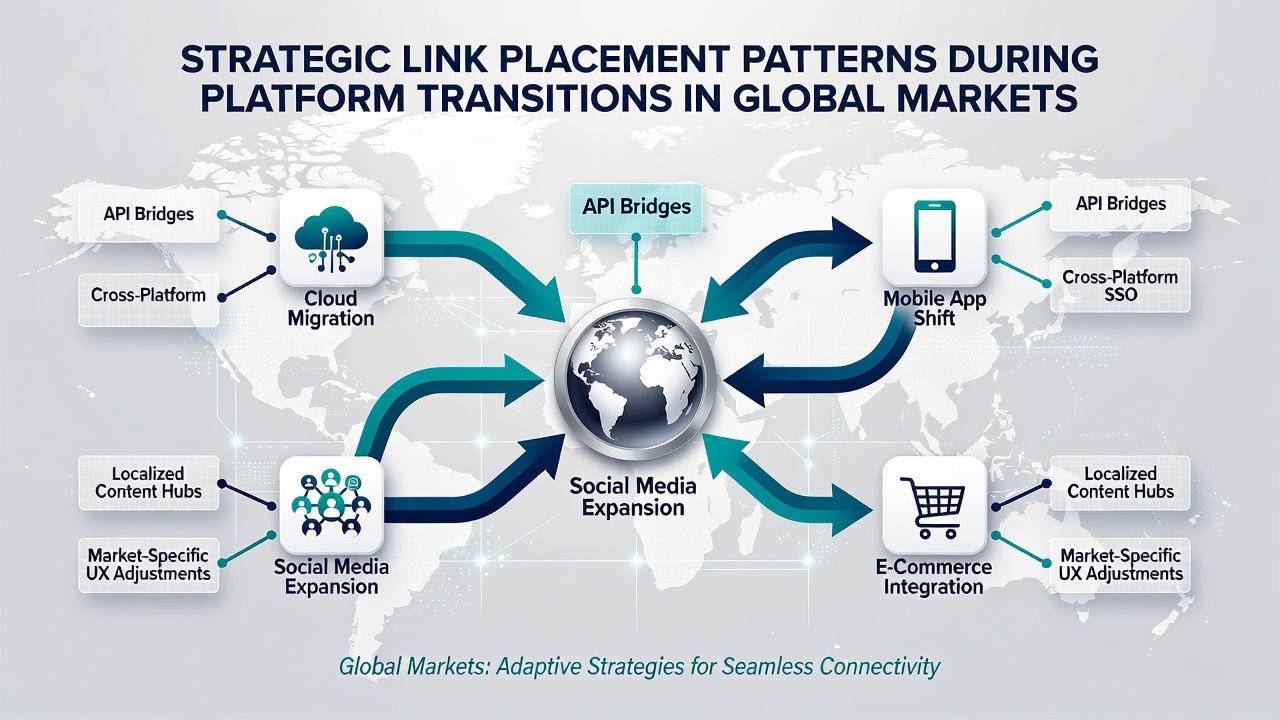
Organizations monitor link placement effectiveness through layered analytics that combine crawl data with referral traffic reports. Studies conducted by research institutions show correlations between link positioning on transitional landing pages and sustained domain authority scores across borders. Teams often segment analysis by market clusters, comparing outcomes in high-regulation zones against those in emerging digital economies.
Platform transition timelines introduce additional variables. When migrations span several months, phased link additions help maintain continuity in indexing signals. Reports from academic sources highlight instances where staggered external link acquisitions across time zones produced steadier performance curves than concentrated campaigns. Those analyzing these datasets note that integration with existing site architecture remains a consistent factor in successful outcomes.
Implementation Frameworks Across Borders
Successful frameworks incorporate pre-migration audits of current link profiles followed by targeted adjustments aligned to new platform capabilities. Industry groups in various regions document how companies map existing links to updated URL structures before deployment, reducing instances of broken pathways that affect both users and crawlers. This mapping process extends to international subdomains, where cultural and linguistic considerations guide anchor selection.
Coordination between technical and content teams proves essential in these environments. Data collected from multiple transition projects indicates that centralized oversight of link placement decisions leads to more consistent application of regional guidelines. Patterns observed in 2025 and projected into 2026 suggest continued emphasis on adaptive strategies that account for algorithm updates occurring at different intervals across major search providers.
Conclusion
Strategic link placement during platform transitions reflects the intersection of technical migration requirements and market-specific search dynamics. Organizations that apply data-informed patterns across global operations demonstrate measurable advantages in maintaining visibility through these changes. Ongoing analysis of regional trends continues to inform refined approaches as platforms evolve and new transition cycles begin.