Tina Jenkins · 29 October 2026
Ingredient Traceability Systems and Their Role in Building Consumer Trust Within Global Wellness Ecosystems
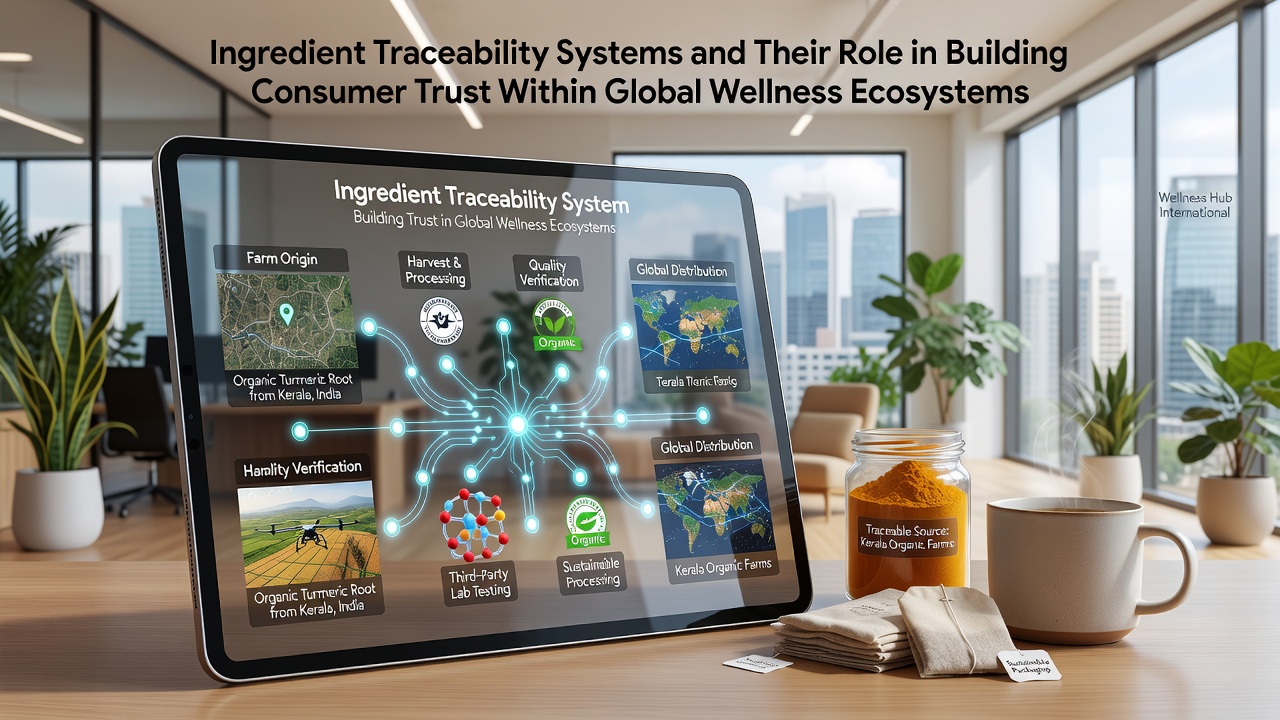
Ingredient traceability systems track raw materials through every stage of production and distribution, and they connect directly to consumer confidence in wellness products such as herbal supplements, functional beverages, and organic skincare. These systems record data points from cultivation sites through processing facilities and onward to retail shelves, creating verifiable chains that regulatory bodies and manufacturers rely on to document origin, handling conditions, and quality controls. Data from multiple jurisdictions shows that platforms equipped with such tracking report measurable increases in repeat purchases when consumers access batch-specific details via QR codes or mobile apps.
Core Components of Modern Traceability Frameworks
Systems typically combine blockchain ledgers with IoT sensors and standardized labeling protocols, allowing stakeholders to log temperature fluctuations, harvest dates, and extraction methods in real time. Researchers at institutions across North America and Europe have documented how these integrated records reduce the time required to identify contamination sources from weeks to hours, a capability that matters when wellness brands source botanicals from multiple continents. As of October 2026, several cross-border platforms have expanded their use of immutable digital ledgers to comply with updated import rules in both the United States and Australia.
One study released by a Canadian research consortium found that companies adopting full-chain documentation experienced a 23 percent rise in verified customer inquiries about product provenance during the preceding fiscal year. The same report noted parallel trends in the European Union, where traceability requirements for certain botanical extracts tightened under revised food safety directives. Manufacturers that integrate these tools often share summarized dashboards with consumers, listing each supplier and processing step without exposing proprietary formulas.
Regulatory Drivers Across Regions
Government agencies enforce traceability to protect public health and to support fair trade claims in the wellness sector. The U.S. Food and Drug Administration maintains guidance documents that outline record-keeping expectations for dietary ingredients, while the European Food Safety Authority coordinates similar standards across member states. In Australia, the Therapeutic Goods Administration requires sponsors of listed medicines to maintain supply-chain evidence that can be audited on short notice. Observers note that these overlapping frameworks encourage multinational suppliers to adopt unified digital platforms rather than maintaining separate paper-based logs for each market.
Industry groups such as the Global Wellness Institute have compiled case studies from Asian and South American sourcing regions, demonstrating how traceability data helps verify sustainable harvesting practices for ingredients like ginseng and maca. When consumers scan a product code and view third-party verified farm locations, engagement metrics on brand websites increase, according to aggregated analytics shared by platform operators.

Impact on Consumer Decision-Making
Surveys conducted by independent research panels indicate that shoppers aged 25 to 44 are more likely to select a supplement when traceability information appears alongside nutrition facts. These preferences appear consistent across markets in the United Kingdom, Singapore, and Brazil, where mobile penetration allows instant access to cloud-hosted records. Retailers report that products carrying clear origin narratives move faster on shelves, particularly when the data includes certifications from recognized bodies such as USDA Organic or equivalent programs in other countries.
What's interesting is how traceability intersects with seasonal availability claims in cross-border wellness platforms. When a brand documents that a particular batch of turmeric was harvested during peak season and processed within 48 hours, consumers gain concrete points of reference rather than generic marketing statements. Data shared by logistics providers shows reduced return rates for items accompanied by such granular details, because buyers feel they received exactly what the label promised.
Challenges and Ongoing Adaptations
Implementation costs remain a barrier for smaller producers in developing regions, yet consortiums formed by universities and trade associations have begun offering shared technology platforms that lower entry thresholds. Pilot programs in East Africa and Latin America have tested lightweight mobile applications that upload GPS coordinates and photos at the point of harvest, feeding directly into larger blockchain networks used by downstream brands. Those who've studied these deployments report improved compliance rates when local cooperatives receive training alongside the hardware.
Interoperability between different traceability vendors continues to evolve, and standards bodies are working toward common data formats that allow seamless handoffs across borders. In October 2026 several major wellness distributors announced expanded partnerships that link North American and Asian systems, reducing duplication of audits for the same ingredient lots.
Conclusion
Ingredient traceability systems now form a foundational layer within global wellness supply chains, delivering documented evidence that supports both regulatory compliance and consumer purchasing patterns. As more jurisdictions align their documentation requirements and technology costs decline, the reach of these systems is expected to widen further, connecting additional sourcing regions to end users who value verified transparency.