Devon Meier · 15 October 2026
Adapting Recommendation Engines for Seasonal Ingredient Availability in Cross-Border Wellness Platforms
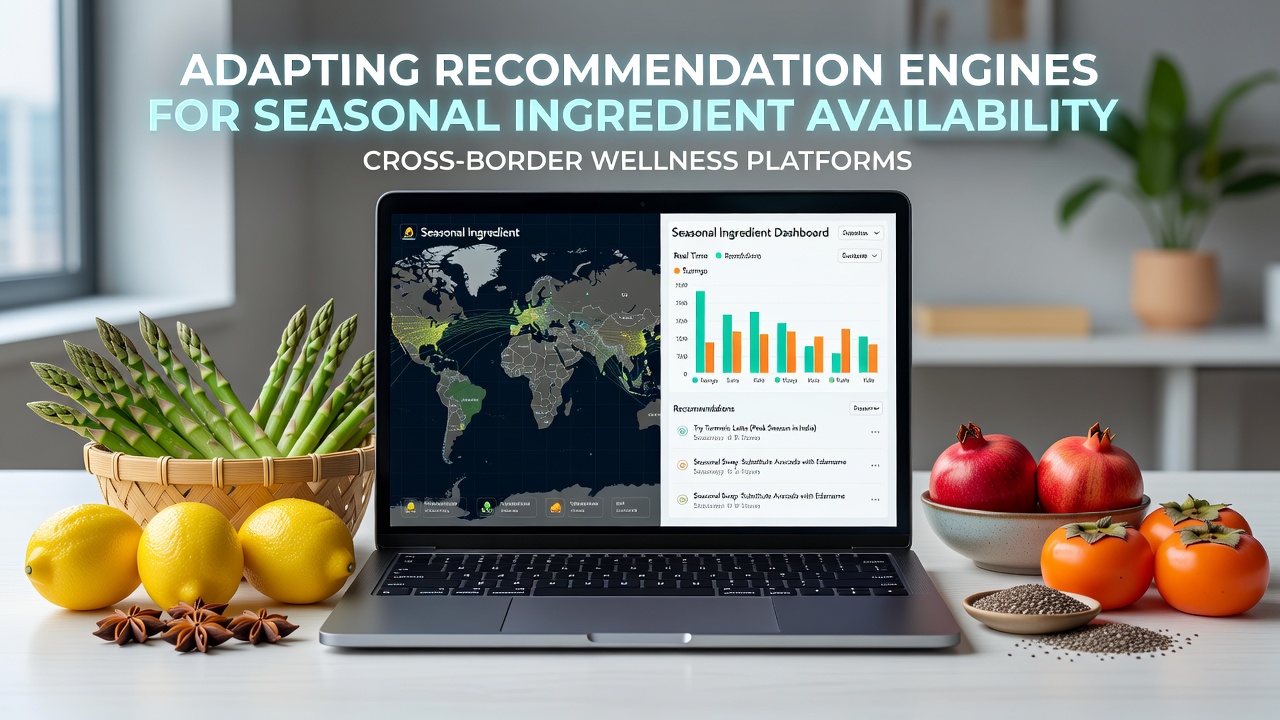
Wellness platforms that operate across multiple countries rely on recommendation engines to suggest ingredients for nutrition plans, recipes, and supplement formulations, yet these engines must adjust dynamically for seasonal availability that shifts with climate zones and harvest cycles. Data from agricultural monitoring networks feeds into these systems so users receive options aligned with local supply rather than fixed global catalogs. Platforms integrate location signals with real-time produce databases to reroute suggestions when certain items move out of season in one market while remaining abundant in another.
Data Inputs That Drive Seasonal Adjustments
Recommendation engines pull from government agricultural reports, satellite imagery on crop conditions, and weather station networks to establish baseline availability calendars for each supported region. Researchers at institutions tracking global food systems have documented how northern hemisphere summer peaks contrast with southern hemisphere cycles, which forces algorithms to recalibrate when a user crosses borders or when platforms expand into new jurisdictions. These inputs combine with user preference histories so the engine prioritizes items currently in peak supply while de-emphasizing those requiring long-distance transport that raises costs or reduces freshness.
Algorithmic Techniques for Cross-Border Adaptation
Developers apply collaborative filtering models augmented with temporal and geospatial layers that update daily based on incoming supply data, allowing the system to surface alternatives such as swapping imported berries for locally grown stone fruits during shoulder seasons. Matrix factorization methods incorporate regulatory constraints on permitted ingredients that differ between the European Union and North American markets, which prevents suggestions that violate import rules or labeling requirements. Platforms test these models against historical sales records from multiple countries to measure how well predictions match actual purchase patterns once seasonal filters activate.
Handling Regulatory and Logistical Variables
Cross-border wellness platforms encounter varying food safety standards and customs procedures that affect which seasonal ingredients can appear in recommendations at any given time. Health Canada publishes seasonal availability guides that some systems reference directly, while similar datasets from the European Food Safety Authority supply parallel information for EU users. Algorithms flag ingredients subject to temporary trade restrictions or phytosanitary requirements, then substitute compliant options without notifying users of the underlying compliance logic. Logistics teams feed port and cold-chain capacity data into the same pipelines so the engine avoids recommending high-volume items when shipping delays are projected.
October 2026 Platform Updates and Agricultural Data Releases
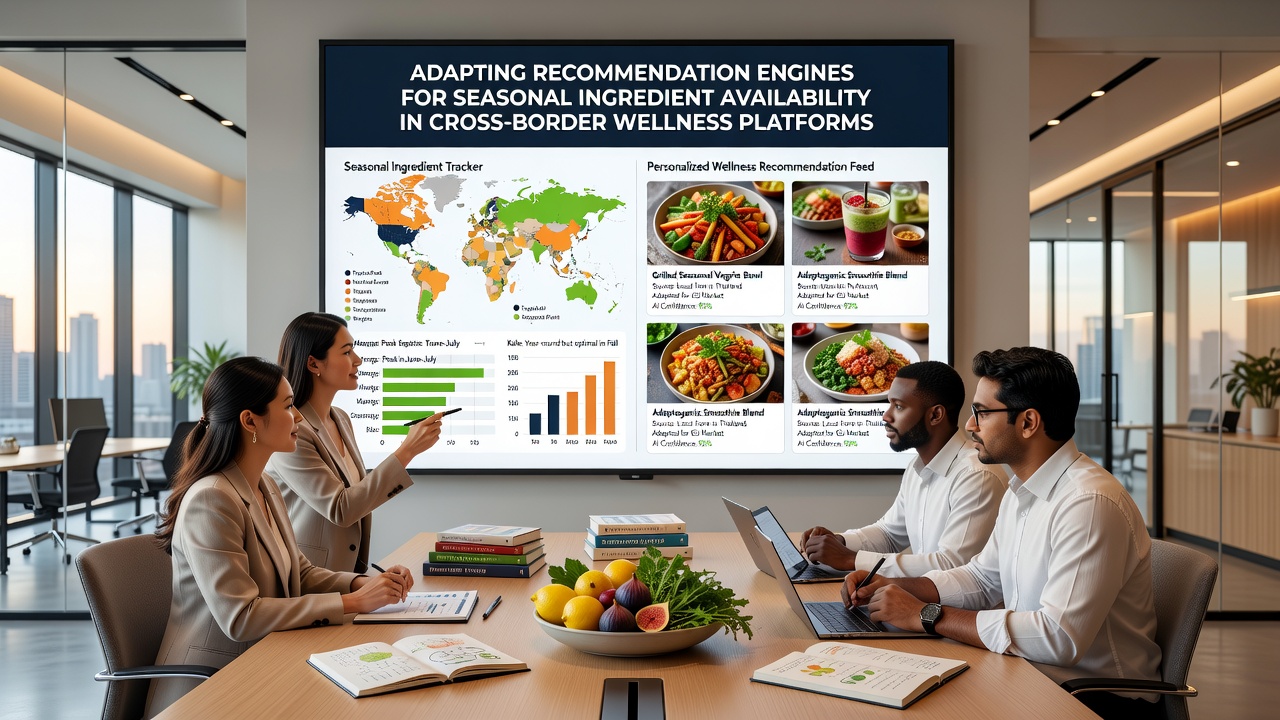
In October 2026 several major wellness platforms plan to incorporate revised harvest forecasts released by national agricultural departments that year, which will refine recommendation accuracy for the following winter season across both hemispheres. These updates include expanded datasets on climate-adjusted growing windows that allow engines to anticipate early or late availability of root vegetables and leafy greens in specific latitudes. Observers note that platforms already running pilot integrations report smoother transitions between summer and autumn catalogs when the new data streams activate.
Measuring Performance Across Regions
Key performance indicators tracked by these platforms include recommendation acceptance rates segmented by country and season, alongside metrics on reduced food waste reported by partner suppliers. Studies from academic groups examining digital nutrition tools have shown that engines incorporating seasonal signals achieve higher retention in markets where users expect locally aligned suggestions. Continuous A/B testing compares versions with and without geospatial seasonality layers to quantify uplift in engagement during peak harvest periods.
Conclusion
Recommendation engines on cross-border wellness platforms continue to evolve through tighter integration of seasonal agricultural data, regulatory databases, and user location signals that together maintain relevance across diverse markets. As additional data sources from different regions become standardized, these systems gain capacity to deliver timely ingredient options while respecting supply realities and compliance boundaries. The ongoing refinement process supports consistent user experience even as global growing patterns shift year to year.